

Free Estimates
CALL (425) 868-1818Roof Replacement Seattle
Financing Available
Get A Quote






WHY CHOOSE B&J ROOFING
The Right Team Makes All the Difference.
Licensed Contractors. Local Experts.
Hundreds of Happy Homeowners.
Where Quality equals Value
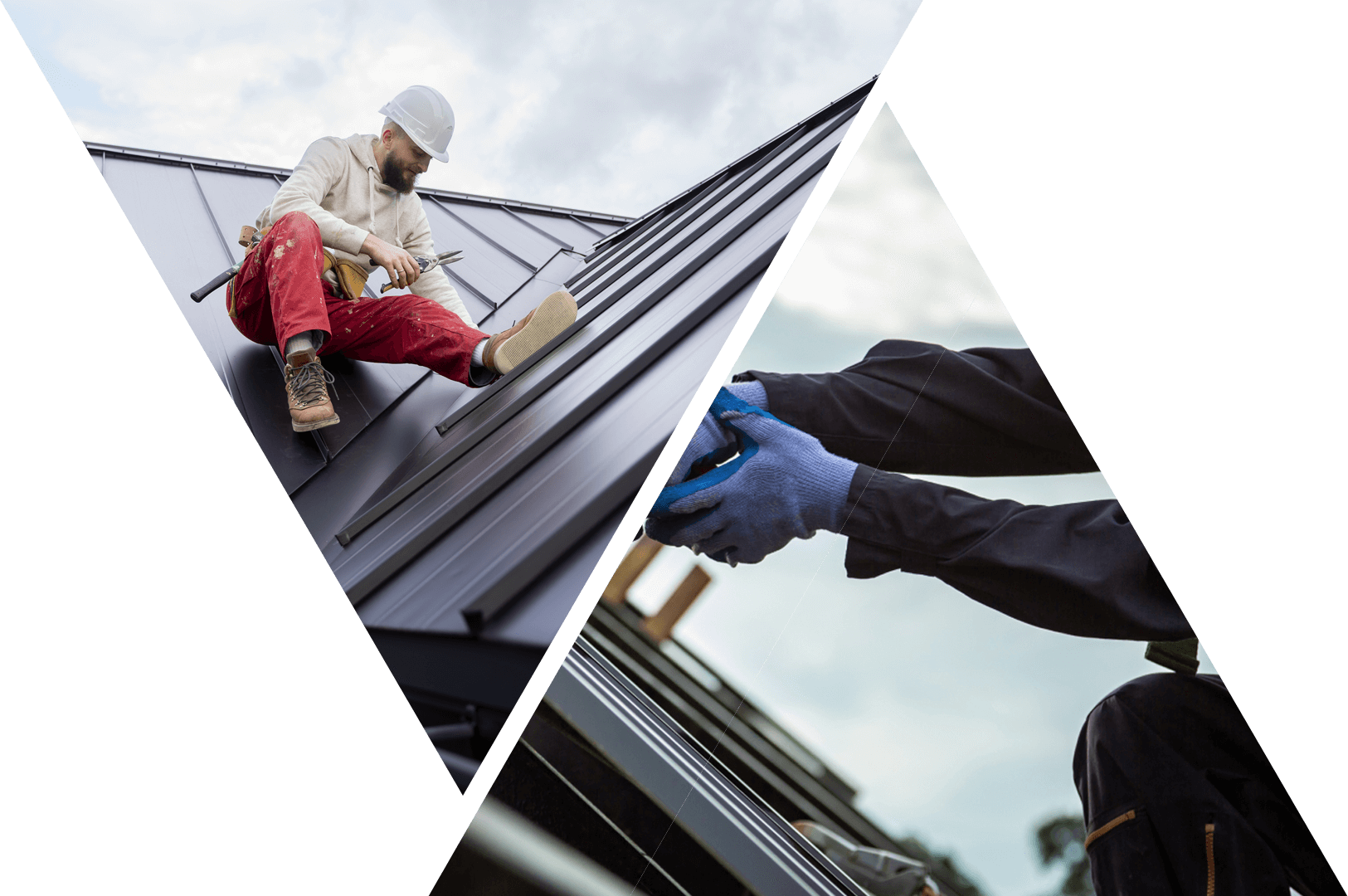

Seattle roofs do not fail the same way roofs fail in drier cities. Expert roof services providers know that well.
That matters if you are trying to decide whether you need a repair, a re-roof, or a full roof replacement.
The Pacific Northwest climate is hard on roof systems in a very specific way. Seattle does not get endless freeze-thaw abuse like some inland markets, but it gets long damp seasons, heavy rain, clogged gutters, moss and algae growth, and enough dark wet months to expose weak details fast. A roof can look acceptable from the street and still be taking on moisture through ageing flashing, soft decking, poor attic ventilation, or worn-out asphalt shingles.
That is why Seattle homeowners tend to get caught in the same trap. They patch once. Then patch again. Then another winter arrives, and the replacement cost is suddenly much higher because the underlying structure has been getting wetter for longer than anyone realised.
This guide is built to help you avoid that mistake.
The Challenges of Roofing in the Emerald City
Seattle roofs age differently because they stay wet longer.
That is the simplest explanation. Rain is only part of it. Moisture lingers. Debris sits in valleys and gutters. Shade slows drying. Trees drop needles. Moss builds up. Roofs that might survive much longer in a sunnier market start deteriorating here at the joints, edges, and drainage points first.
A few roof types are especially sensitive to local conditions:
-
Asphalt shingles can lose granules, curl, and hold moisture if the roof stays shaded and dirty.
-
Cedar shake looks right on many Northwest homes, but it demands careful roof maintenance and better ventilation discipline than people expect.
-
Flat roofing systems need tighter drainage control because standing water does not correct itself.
-
Low-slope membranes like tpo and pvc can perform very well, but only if the seams, penetrations, and drainage are done properly.
This is also why roof cleaning matters more in Seattle than in many American cities. If you ignore moss and algae long enough, you are not just accepting cosmetic staining. You are giving moisture more time to break down the roof covering.
Why Seattle Roofs Age Differently
A Seattle roof is asked to do several things at once.
It has to shed water reliably for months. It has to resist organic growth. It has to dry between storms. It has to handle debris load from nearby trees. On older homes, it may also be carrying earlier repairs, patched flashing, tired gutters, and materials that were never chosen with current code or weather expectations in mind.
That is why two roofs of the same age can be in very different condition.
One may still be sound because it has decent accessibility for cleaning, strong attic ventilation, and regular upkeep. Another may be near the end because the roof size is large, the slopes are awkward, skylights interrupt drainage, and no one dealt with the slow buildup of moisture around valleys and eaves.
The first signs are often practical, not dramatic:
-
Missing shingles after wind and rain
-
Dark staining near roof penetrations
-
Water damage in the attic
-
Repeated minor leaks during storm damage events
-
Persistent moss and algae on north-facing slopes
-
Soggy debris packed into gutters
-
Sagging or softened roof deck sections under ageing materials
A Seattle roofer who works here every week usually spots those patterns quickly. A generic contractor may not.
The Signs It’s Time for a Full Replacement
A lot of roof problems are still repairable. Not all of them.
You are usually getting close to roof replacement when the system is failing in more than one place or when the real cost of preserving it no longer makes sense. A single roof repair after a storm is normal. Two or three recurring leaks in different areas are not.
Typical signs include:
-
Widespread wear on asphalt shingles
-
Repeated patching over several seasons
-
Soft or compromised roof deck areas
-
Interior water damage that keeps returning
-
Multiple flashing failures
-
Broad granule loss
-
Moisture issues linked to poor attic ventilation
-
Old low-slope sections that hold water too long
This is where roof inspections matter. Not a fast look from the driveway. A real inspection that checks the roof covering, drainage, deck condition, ventilation, and any linked issues around skylights, chimneys, or flat sections.
What We Looked For in Seattle’s Best Roofing Contractors
This is not a random list of companies with nice branding.
For Seattle homeowners, the right roofing contractor needs more than a sales team and a website. We looked for five things that matter in this market.
First, licensing and insurance basics. Any serious contractor should be able to show they are licensed, bonded, and insured.
Second, local experience. Seattle roof replacement work is different from dry-climate roof installation. You want a company that understands long wet seasons, debris load, and how local materials actually age.
Third, manufacturer credentials. Public references to GAF, CertainTeed, or Owens Corning matter because they usually point to training, product familiarity, and access to stronger warranty systems.
Fourth, warranty transparency. Workmanship warranties and manufacturer warranties are not the same thing, and a good contractor should explain the difference without making you ask twice.
Fifth, service discipline. That includes cleanup, communication, inspection quality, scheduling realism, and whether the company handles details like gutters, ventilation, and permit questions rather than acting as if those are someone else’s problem.
The Seattle Roof Replacement Guide: What to Expect
Choosing the right roofing material in Seattle is not a style choice first. It is a moisture-management choice first.
Asphalt shingles are still the most common option because they are cost-effective, widely available, and familiar to most contractors. Metal roofing costs more upfront, but it sheds water well, handles moss and algae better, and can outlast multiple shingle cycles if installed properly. Cedar shake looks right on certain homes, but it asks more from maintenance and ventilation than many owners expect. For lower-slope sections, tpo or pvc may be more appropriate than forcing a conventional system onto a difficult surface.
The wrong choice is usually not the most expensive one. It is the one that does not match the roof design, slope, drainage pattern, and maintenance reality.
Greater Seattle Area Building Permits and Codes
Seattle permit rules depend on building type and scope. Seattle’s Department of Construction and Inspections says detached one- and two-family houses often do not need a permit for certain roof-only work, while broader re-roofing and commercial or multifamily work can trigger permit requirements. The practical takeaway is simple: do not guess. Ask your contractor to confirm the permit path with SDCI before work starts. (seattle.gov )
That matters more if your project includes:
-
Tear-off down to the roof deck
-
Insulation or sheathing changes
-
Significant structural repair
-
Commercial roofing scope
-
Skylight work
-
Low-slope membrane replacement
Timeline: How Long Does Seattle Roofing Take?
In Seattle, weather affects schedule more than the brochure usually admits.
A straightforward residential roofing project can sometimes move quickly once work starts, but the true timeline depends on roof size, pitch, accessibility, weather windows, and whether hidden deck repairs appear after tear-off. A small re-roof on a simple house is very different from a multi-slope home with skylights, chimneys, and a mix of materials.
The right question is not “How many days?” It is “How will you manage weather interruptions, exposed areas, and material staging if conditions turn mid-project?”
How a Roofing Company Budgets for a Roof
Roof replacement cost in Seattle varies widely because the variables are real. Local published guides put average Seattle roof replacement ranges, putting a typical 2,500-square-foot replacement around $20,000 to $45,000.
The biggest price drivers are usually:
-
Roof size
-
Pitch and complexity
-
Tear-off layers
-
Skylights and chimney detail
-
Material choice
-
Water damage or decking repair
-
Permit and code requirements
-
Difficult accessibility
That is why two roof estimate numbers for the “same” house can be far apart and both still be honest.
Seattle Re-Roofing: Is there a cheaper time to roof in Seattle?
There is no magic cheap month for Seattle re-roofing.
You may find scheduling slightly easier in the shoulder seasons, but replacement cost is driven much more by scope, materials, labor demand, and hidden conditions than by trying to outsmart the calendar. Seattle homeowners sometimes wait too long chasing a better deal and end up paying more because another wet season created extra deck damage.
How to Vet Your Contractor: A Checklist for Homeowners
Before signing anything with roofing companies, ask direct questions.
-
Are you licensed, bonded, and insured?
-
Will you confirm permit requirements with Seattle if needed?
-
What do your workmanship warranties actually cover?
-
Which manufacturer warranties apply to this roofing material?
-
Will you inspect attic ventilation as part of the job?
-
What happens if the tear-off reveals rot or a compromised roof deck?
-
How will you protect landscaping, driveways, and gutters during the work?
-
Do you provide financing options if the scope expands?
This part matters too: ask about lien release. If subcontractors or suppliers are involved, you want documentation showing payment has been handled properly so nobody can come after the homeowner later.
Protecting Your Investment Post-Installation
A new roof is not a “set it and forget it” purchase in Seattle.
You protect it by keeping gutters clear, addressing moss and algae early, booking periodic roof inspections, and paying attention after major storm damage. You also protect it by understanding the warranty terms. Manufacturer warranties and workmanship warranties do different jobs. One covers product defects. The other covers how the roof installation was performed. If a contractor cannot explain that clearly, keep asking until they can.
Seattle roofs fail slowly until they do not. The companies on this list are worth a look because they show public signs of process, product knowledge, and local awareness. But the bigger point is this: in Seattle, the right roof replacement decision is not just about picking a brand or chasing the cheapest quote.
It is about choosing a Seattle roofer who understands what this climate does to roofs, how local homes age, and where shortcuts usually come back to punish the owner later.
How It Works
We Make It Easy to Get the Roof You Need
Schedule a Free Estimate
We’ll visit your home, assess your roof, and give you a clear, honest quote.
Choose Your Roofing Solution
We’ll guide you through options and help you select the best roof for your home and budget.
Relax Under a Roof Built to Last
Relax under a roof built to last.Reliable installation, no mess, no stress.
What People Are Saying About B&J Roofing
Real stories from customers who felt confident, cared for, and covered from day one.
J.N.
- Seattle, WA
B.F.
- Edmonds, WA
L.C.
- Woodinville
Trusted by Homeowners Across Seattle's East Side
Families and Builders Rely on B&J Roofing
From residential homes to commercial properties, we’ve delivered dependable roofing that stands the test of time. Get a quote today.