

Free Estimates
CALL (425) 868-1818Seattle Commercial roofing




WHY CHOOSE B&J ROOFING
The Right Team Makes All the Difference.
Licensed Contractors. Local Experts.
Hundreds of Happy Homeowners.
Where Quality equals Value

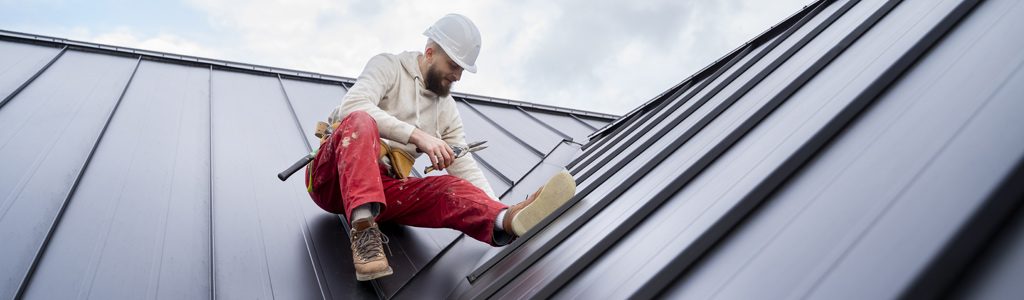
Commercial roofs in Seattle do not fail because the city gets one dramatic weather event and everything breaks at once. They fail because moisture sits, drainage gets ignored, seams get stressed, small punctures stay wet, and maintenance is delayed until a manageable issue turns into an operational problem.
That is why commercial roofers in Seattle needs a different standard from quick patching and broad promises. If you are responsible for a warehouse, office, retail unit, mixed-use building, or multi-building site in Seattle, WA, the roof is not just another exterior component. It protects inventory, electrical systems, tenant spaces, equipment, insulation, and business continuity.
When it starts underperforming, the costs spread fast.
Protecting Your Business Assets with Seattle’s Most Trusted Commercial Roofing
A strong commercial roofing installation does three things well. It keeps water out, handles movement without opening up, and stays serviceable under real-life use.
That sounds basic. It is not.
In Seattle, commercial roofing services need to deal with months of wet exposure, blocked drainage, rooftop equipment, foot traffic, aging seams, and deferred repairs from previous years. A leak that looks isolated often is not. It may be tied to failed flashing, ponding, clogged gutters, weak terminations, or a soft roof deck near a drain or parapet.
That is why a good commercial roofing company does not start with a patch. It starts with a diagnosis.
For building owners and facility managers, the practical question is not “Can this be stopped for now?” It is “What does this roof need to stay watertight, code-compliant, and financially sensible over the next few seasons?”
Why Seattle Commercial Facilities Require a Specialized Approach
The Pacific Northwest punishes roofs differently from drier markets.
You are not just dealing with rainfall totals. You are dealing with long damp periods, slow drying, debris, rooftop moss growth, drainage overload, and repeated moisture exposure around penetrations and perimeter details. On low-slope and flat roofing systems, that pressure builds gradually. A roof may not look dramatic from the car park and still be taking on water through the same weak points week after week.
That is one reason commercial roofing contractor experience matters more here. Commercial buildings in Seattle, WA and the wider Puget Sound region often carry different assemblies on the same property. One section may be older flat roofing. Another may have a metal roof over a warehouse span. Another may include asphalt shingle or composition roof sections over office or entrance areas. Some legacy buildings still include cedar shake elements on older ancillary structures. Each one behaves differently.
A contractor working across Seattle, Bellevue, Tacoma, Redmond, and Kirkland tends to see these patterns more clearly than a company treating the region like a generic rainfall market.
Your Partners in Weatherproofing and Long-Term Durability
The useful way to think about commercial roofing is this: repair and replacement decisions should be operational decisions, not reactive ones.
If the contractor only talks about membrane products or square-foot pricing, that is not enough. You need someone who can explain how the system performs over time, how waterproofing is being maintained, whether a re-roof makes sense, and how to avoid repeated disruption.
That usually means looking at the whole roof assembly, not just the leak point:
-
Drainage and gutters
-
Field membrane or metal roofing condition
-
Flashings and penetrations
-
Parapet and edge details
-
Roof deck stability
-
Signs of storm damage
-
Existing patches and earlier repairs
-
Roof maintenance history
The right commercial roofing services provider should be able to translate those observations into a decision you can actually use.
Commercial Roof Repair for Commercial Buildings
Commercial roof repair leaks do not wait for ideal scheduling.
If water is entering active space, the first priority is containment. That often means targeted leak repair, temporary waterproofing, interior protection, and a plan to stabilize the area before the system takes more moisture. In practice, that may involve emergency seal work, reinforced patches, drain clearance, protective membrane covers, or temporary weatherproofing until a durable repair can be completed.
A proper emergency response should answer three questions quickly:
-
Where is the water most likely entering?
-
Can the problem be stabilized without hiding a bigger issue?
-
Is this a local roof repair or the early sign of commercial roof replacement?
A lot of poor repair work fails because it only answers the first question.
Full Roof Replacement Designed for the Pacific Northwest
Sometimes repair is not the right financial choice anymore.
If the membrane is broadly worn, the seams are repeatedly opening, the insulation is wet, or the roof deck is soft in multiple areas, commercial roof replacement becomes more rational than ongoing patch work. The same is true when repeated leaks are affecting tenants, inventory, or equipment and the business cannot keep absorbing disruption.
A full replacement does not always mean a complete tear-off to bare structure, but many projects in western Washington do require at least partial tear-off to remove failing material, inspect the roof deck, and rebuild the assembly properly.
For Seattle commercial roof replacement work, the decision usually depends on:
-
Moisture spread within the system
-
Age and condition of the existing membrane
-
Number of past repairs
-
Drainage performance
-
Structural soundness of the roof deck
-
Energy and insulation goals
-
Future maintenance cost versus replacement cost
The best contractors will not push roof replacement on every leaking building. But they should say it clearly when repair has stopped being cost-effective.
Proactive Maintenance Programs to Extend Roof Life
A maintenance plan is not a luxury on commercial roofs here. It is one of the few things that reliably lowers long-term spend.
Preventative maintenance catches the problems that usually grow unnoticed in Seattle weather: clogged drains, silted gutters, seam stress, punctures near equipment, minor flashing separation, and debris buildup in low spots. Roof inspections done on schedule also create documentation, which matters if you later need to deal with storm damage, warranty disputes, or tenant concerns.
A practical roof maintenance programme usually includes:
-
Scheduled roof inspections
-
Drain and gutter clearance
-
Debris removal
-
Minor seal and flashing corrections
-
Surface condition checks
-
Documentation with photos and repair recommendations
That is far cheaper than treating every problem like an emergency.
Commercial Roofing Systems We Master
Commercial properties do not all need the same roofing material. That is why the contractor’s system knowledge matters.
Flat and Low-Slope Solutions: TPO, PVC, and EPDM
Most commercial roofing in Seattle sits in the low-slope roofing category. That means membrane performance, seam integrity, and drainage matter more than aesthetic preference.
TPO remains common because it balances cost, installation speed, and performance. PVC is especially useful where chemical exposure, grease, or demanding service conditions matter. EPDM still has a place on certain commercial roofs, especially where flexibility and simple detailing work in its favour.
The right choice depends on the building, not the brochure.
A contractor who works regularly with TPO, PVC, and EPDM should be able to explain why one is better suited than another for your actual roof, not just sell you the membrane they install most often.
Metal Roofing for Durability and Aesthetics
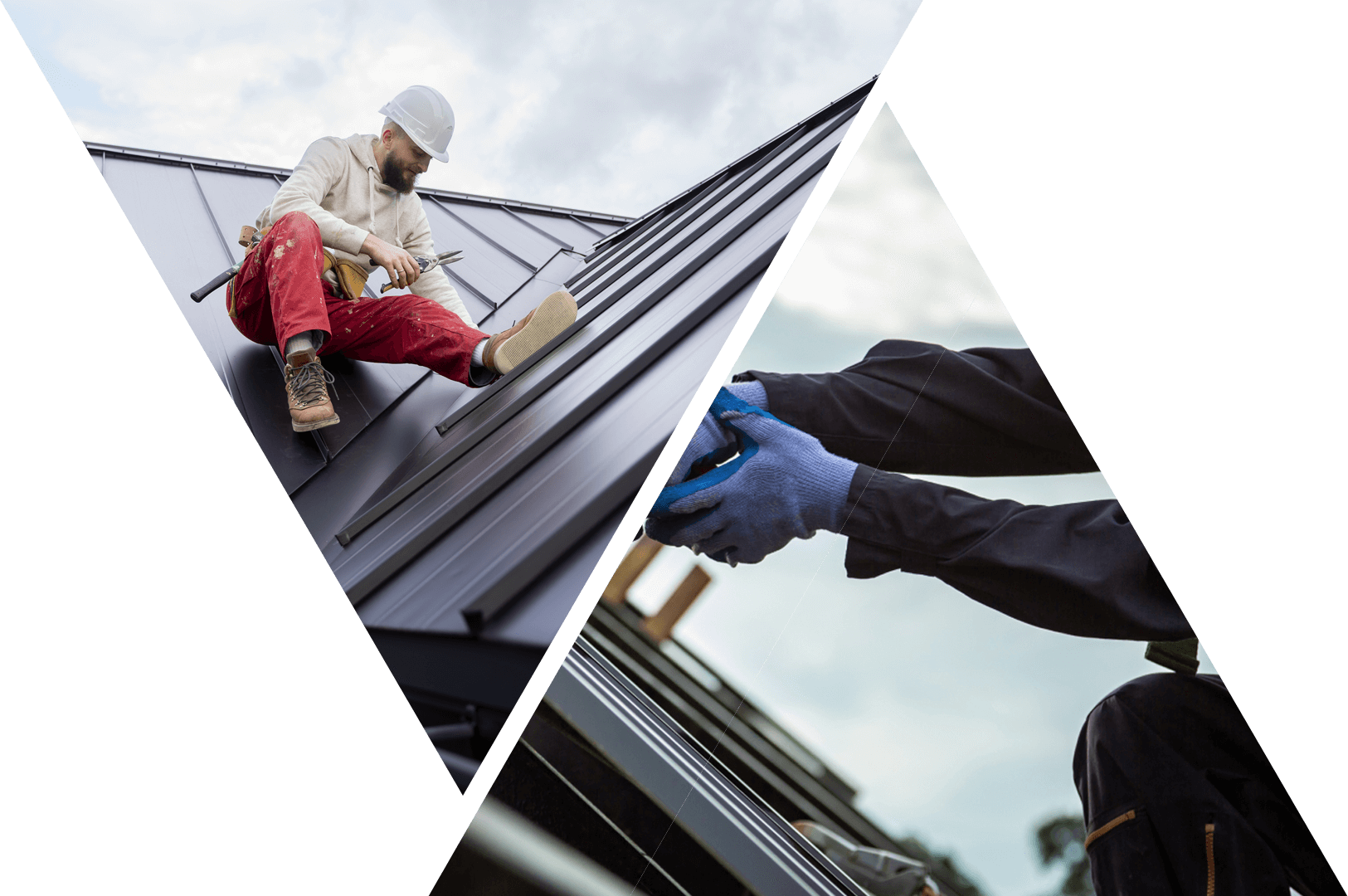
Metal roofing is often a strong choice for selected roof repairs in Seattle, especially where slope, visibility, and longevity matter. It is also useful on mixed-use or civic-style properties where appearance carries more weight than on a back-of-house warehouse roof.
Metal roofs still need careful detailing. Fasteners, seams, transitions, and penetrations all matter. They are not “fit and forget” systems.
Standing Up to the Rain: Roof Coatings and Our Waterproofing Philosophy
Waterproofing is not a product choice alone. It is a system discipline.
That means clean drainage, stable seams, durable penetrations, solid edge conditions, and realistic maintenance after installation. A membrane with poor terminations still leaks. A strong system with blocked drains still fails.
The difference between a sound commercial roofing contractor and a reactive one usually shows up here.
The Difference Between a Quick Fix and a Permanent Solution
A quick fix usually treats the visible symptom. A permanent solution addresses the reason the area failed.
On commercial roofs, that distinction matters because failure is often systemic. A recurring leak near one curb may actually be tied to ponding from another area. A weak seam may reflect movement in the substrate. A puncture may be the easy part; wet insulation beneath it may be the bigger cost.
You should expect the contractor to explain whether the work being proposed is:
-
Temporary containment
-
Durable local roof repair
-
Sectional replacement
-
Commercial roof replacement
-
A staged repair strategy leading to future re-roof work
If they do not make that distinction, you are being asked to approve work without a clear operating plan.
Navigating the Seattle Permitting and Compliance Process
Commercial work in Seattle can trigger permit, code, and inspection requirements more easily than simple residential jobs. The exact path depends on scope, building type, whether the project involves structural work, what the tear-off reveals, and how much of the assembly is being changed.
That is why permitting should not be treated as an afterthought.
A capable commercial roofing company should be able to tell you early whether the job is likely to require municipal review, what documentation may be needed, and how that affects scheduling. This is especially important on larger sites across Seattle, Bellevue, Tacoma, and nearby business corridors where access, safety planning, and project sequencing can affect more than one tenant or department.
How Our Professional Inspection Saves Thousands in Future Repairs
A proper inspection does more than find the current leak.
It separates urgent defects from background wear. It tells you whether the system is still fundamentally sound. It helps you decide whether to repair, stage a re-roof, or budget for commercial roof replacement before the building forces the decision on you.
Good roof inspections usually include:
-
Membrane or panel condition review
-
Flashing and penetration checks
-
Roof deck concern areas
-
Drainage and gutter performance
-
Leak mapping where possible
-
Photos and repair priorities
-
Review of likely remaining service life
That information is what keeps you from spending money in the wrong order.
Case Studies: Transforming Puget Sound Business Landscapes
A warehouse in the Puget Sound corridor may need a PVC recovery system because the old membrane is failing but the deck remains stable. A small office in Bellevue may only need targeted roof repair around rooftop units, new drain detailing, and better gutters. A mixed-use site in Redmond might need partial tear-off, localised insulation replacement, coatings on a stable section, and a staged plan for broader roof replacement two years later.
Different buildings. Different answers.
That is why commercial Seattle roofing should never be sold as a single template service.
Transparent Pricing and Strategic Financial Planning
Commercial pricing should be direct enough to help with budgeting.
That means explaining what drives cost instead of hiding it behind vague square-foot language. Your estimate should reflect the real variables:
-
Roof size and accessibility
-
Number of penetrations and units
-
Membrane type
-
Tear-off requirements
-
Wet insulation or deck repairs
-
Drainage corrections
-
Safety and access planning
-
Whether coatings are appropriate or not
Estimating the Cost of Your Commercial Project
The useful number is not just the total. It is the reason for the total.
A lower bid may exclude deck repair, insulation replacement, or drain corrections. A higher one may include a more durable assembly, more careful tear-off, stronger detailing, or better warranty protection. Without scope clarity, comparing prices is mostly guesswork.
Working with Your Insurance for Efficient Claims
Not every claim is covered, and not every contractor handles documentation well. If storm damage is involved, the contractor should be able to distinguish covered physical damage from older wear and help document what the carrier is likely to review. That speeds the process up and reduces confusion.
Our Five-Step Process from Consultation to Final Inspection
A useful commercial process should feel organised, not theatrical.
-
On-site consultation and problem review
-
Detailed inspection and documentation
-
Scope options: repair, staged work, or replacement
-
Execution with safety, sequencing, and minimal disruption
-
Final inspection, handover, and maintenance planning
That is the kind of structure building owners usually need.
Frequently Asked Questions
How long does a typical commercial roof installation take?
It depends on roof size, access, weather, tear-off depth, and whether wet materials are discovered during the work. A small building and a multi-tenant site are not comparable.
What are the best roofing materials for Seattle’s constant moisture?
For many low-slope buildings, TPO, PVC, or EPDM are the practical choices. The best answer depends on use, traffic, drainage, and the rest of the system.
How do I know if I need a repair versus a full replacement?
If the problem is isolated and the surrounding roof is sound, repair may be sensible. If failures are broad, repeated, or tied to wet insulation and deck issues, replacement usually becomes the more rational choice.
Do you offer warranties on labor and materials?
That should be clarified in writing. Workmanship coverage and manufacturer warranties are different, and both should be explained clearly.
Ready to Secure Your Building? Schedule Your On-Site Assessment
A commercial roof in Seattle does not need guesswork. It needs a contractor who understands moisture, drainage, system lifespan, repair limits, and how to keep the building functioning while the work happens.
That is what good commercial roofing services are supposed to deliver.
How It Works
We Make It Easy to Get the Roof You Need
Schedule a Free Estimate
We’ll visit your home, assess your roof, and give you a clear, honest quote.
Choose Your Roofing Solution
We’ll guide you through options and help you select the best roof for your home and budget.
Relax Under a Roof Built to Last
Relax under a roof built to last.Reliable installation, no mess, no stress.
What People Are Saying About B&J Roofing
Real stories from customers who felt confident, cared for, and covered from day one.
J.N.
- Seattle, WA
B.F.
- Edmonds, WA
L.C.
- Woodinville
Trusted by Homeowners Across Seattle's East Side
Families and Builders Rely on B&J Roofing
From residential homes to commercial properties, we’ve delivered dependable roofing that stands the test of time. Get a quote today.