

Free Estimates
CALL (425) 868-1818Roof Repair Seattle WA - Roofing Experts B&J Roofing
Financing Available
Get A Quote






WHY CHOOSE B&J ROOFING
The Right Team Makes All the Difference.
Licensed Contractors. Local Experts.
Hundreds of Happy Homeowners.
Where Quality equals Value
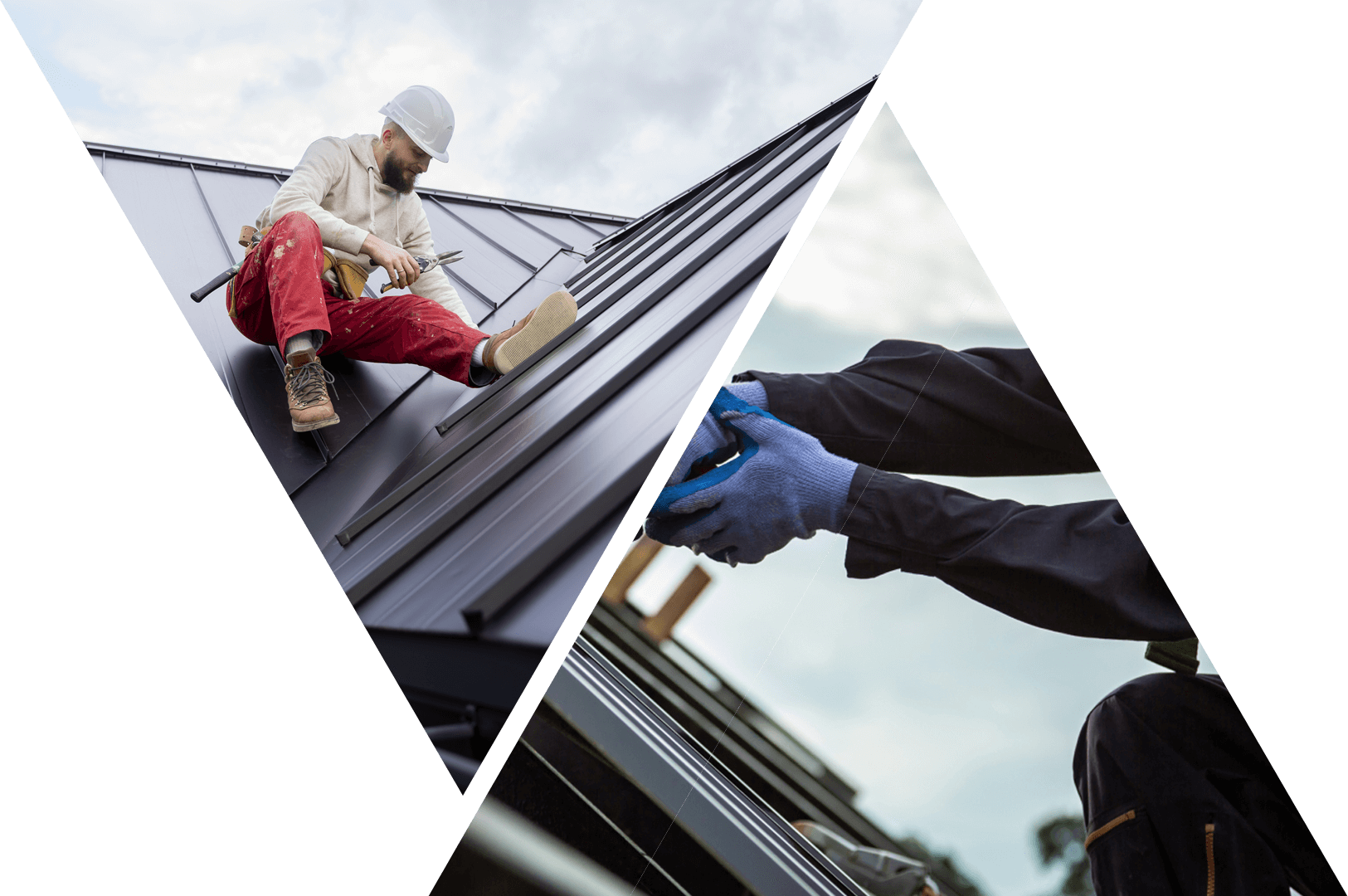

A roof problem in Seattle rarely stays small for long.
You get one wet patch near the ceiling. Then another. A little water shows up after a windy night. Moss starts thickening along one slope. One gutter overflows every time it rains hard. None of that looks like a major crisis at first. In the Pacific Northwest climate, though, small roofing failures tend to stay wet, spread slowly, and cost more the longer they sit.
That is why local roof repair in Seattle needs a different mindset from quick patching.
The real job is not just stopping the drip you can see. It is finding the route the water took, the part of the roof system that failed first, and the repair that will still make sense after another long stretch of Seattle weather.
Seattle Roof Repair: Why Your Roof Demands a Local Expert
A local specialist starts with context.
Seattle, WA roofs deal with months of moisture, organic buildup, debris, and repeated temperature swings that never quite dry things out properly. The damage pattern is different from what you see in drier markets. Roofs here often fail at joints, valleys, flashing lines, gutters, skylights, and low-slope details long before they look catastrophic from the street.
That matters when you are choosing between a targeted roof repair and a wider roof replacement.
A contractor who works across the greater Seattle area every week is more likely to recognise the real cause behind:
-
A recurring roof leak near a chimney
-
Missing shingles after wind and rain
-
Soft decking around an older flat roofing section
-
Overflowing gutters that are actually exposing a roofline issue
-
Moss growth that is no longer just cosmetic
This is where local knowledge earns its keep. Repair decisions in Seattle, WA should be shaped by how roofs actually age in the Puget Sound region, not by a generic script.
The Reality of Pacific Northwest Weather and Your Home
Seattle weather is not extreme in the dramatic sense. It is persistent.
That persistence is what wears roofs down. Long wet periods soak debris. Shade slows drying. Moss and algae stay active. Flashings stay under stress. A small defect that might sit quietly somewhere else often gets tested again and again here until it opens.
A few roof types are especially vulnerable in this environment:
-
Asphalt shingles can lose granules, trap moisture, and weaken at exposed edges.
-
Cedar shake looks right on many older homes, but it needs disciplined care and good ventilation.
-
Metal roofing usually handles rain well, but weak seams, transitions, and penetrations can still fail.
-
Flat roofing sections need tighter drainage control because standing water does not fix itself.
-
Low-slope membranes such as tpo and pvc can perform well in wet conditions, but only when the details are right.
That last part is important. The problem is rarely “this material is bad.” It is usually “this roof system has one or two weak details that Seattle weather keeps exploiting.”
Immediate Solutions for Every Roofing Challenge
Roof repair work in this market is about sequence. Stop the immediate water entry first. Then decide whether the issue is isolated, recurring, or pointing toward something larger.
Roof Damage Repair and Tarping for Seattle Residents
When water is entering the house now, you do not start with a sales conversation about a future roof installation. You start by protecting the structure.
Emergency roof repair often means temporary containment first, especially during active rain. That may include tarping, sealing an exposed opening, stabilising loose materials, or securing an area affected by storm damage so the interior does not keep taking water.
A proper emergency response should answer three practical questions:
-
Where is the water most likely entering?
-
What can be done immediately to slow or stop it?
-
Is this a short-term containment step or a durable repair?
The wrong temporary fix can make later work harder. The right one buys time without hiding the real issue.
Mastering Moss Removal and Structural Preservation
Roof cleaning in Seattle is not just about appearance.
Once moss growth thickens along shingle lines, ridges, or shaded edges, it starts holding moisture in exactly the places that should be drying out. Over time, that affects asphalt shingles, cedar shake, flashing lines, and the fasteners or joints around them. If organic buildup is left alone long enough, water starts sitting where it should be moving.
That is why roof cleaning and repair often overlap here. You cannot assess some roofs properly until the surface contamination is dealt with carefully.
A responsible contractor should not just scrape and disappear. They should be thinking about:
-
Whether the moss and algae problem is accelerating material wear
-
Whether drainage is contributing to the buildup
-
Whether the roof also needs targeted roof maintenance once cleaning is done
-
Whether the material below is still sound enough for repair
Precision Shingle and Metal Roof Restoration
A lot of repair work in the greater Seattle area comes down to restoring the integrity of the existing field rather than replacing the whole roof.
That may involve replacing missing shingles, correcting slipped asphalt shingles, repairing local flashing faults, reseating lifted components, or dealing with small but high-risk defects around transitions. On metal roofing, it can mean addressing fastener points, seam details, penetrations, or areas where water has been tracking from an adjacent component rather than through the panel field itself.
The detail matters more than the drama.
A roof repair done well should match the surrounding system, preserve drainage, and respect the way the original roof was built. A bad repair often looks acceptable from the ground and fails again next season.
Clearing the Path: Gutter Integration and Drainage
A lot of Seattle leaks are blamed on the roof when the water is really being mishandled at the edge.
Gutters matter more in this climate than many homeowners think. If one section stays blocked, overflows repeatedly, or sends water back toward the fascia, soffit, or lower roof, the resulting damp can look like a roof failure when the drainage system is actually part of the cause.
That is why repair work should include a look at:
-
Clogged or overloaded gutters
-
Poor discharge near valleys
-
Overflow near skylights or lower roof planes
-
Drainage stress around flat roofing sections
-
Edge conditions where water is backing up instead of shedding cleanly
A roof does not work alone. The drainage has to work with it.
The “Seattle-Proof” Process: How We Ensure Your Peace of Mind
Good roofing services in Seattle should feel methodical, not vague.
You should know what is being checked, what is being recommended, and why the contractor believes the issue is repairable rather than heading toward full replacement.
Professional Roofing Solutions: Seeing Beyond the Surface
The visible stain is not the diagnosis.
A real diagnostic process looks at the roof as a system. That means surface condition, flashing, drainage, attic ventilation, penetrations, underlayment where visible, and any low-slope or transition areas that may be influencing the leak path.
A proper roof inspection should not just confirm damage. It should narrow the actual cause.
Transparent Guidance for Seattle Residents: Repairing vs. Replacing
This is the part Seattle homeowners usually care about most.
Can this be repaired properly, or are you being pushed toward roof replacement too early?
A trustworthy contractor should be able to explain where the line sits. Some roofs clearly need a full replacement because the failures are broad, repeated, or linked to a compromised roof deck. Others still make sense for targeted work, especially when the problem is local and the surrounding materials are holding up well.
A useful explanation will usually include:
-
Whether the defect is isolated or repeated
-
Whether the surrounding field still has service life left
-
Whether a tear-off is necessary in the affected section
-
Whether the issue is compatible with localised repair
-
Whether the money spent on repair is still rational compared with roof replacement
You should not have to drag that explanation out of the estimator.
Execution with Minimal Disruption to Your Daily Life
Repair work is still construction work, but it should not feel chaotic.
The better Seattle roofer teams handle staging, site protection, and communication in a way that makes the job easier to live through. That matters more on active homes with children, pets, shared driveways, or work-from-home routines.
You are not only paying for materials. You are paying for how the work gets handled.
Built to Weather the Storm: Our Commitment to Quality
A repair in Seattle has to survive actual Seattle use, not just the day it was installed.
Local Knowledge of Municipal Codes and Climate Needs
Any serious contractor should be licensed, bonded, and insured. That is not a selling point. It is basic competence.
What separates stronger firms is whether they understand local code expectations, moisture-control requirements, and how certain details behave in the Puget Sound environment. A generic answer about “best practices” is not enough. The roof has to work here.
That includes paying attention to attic ventilation, underlayment choice, drainage movement, and how surrounding materials interact with the repair.
Premium Materials Designed for Constant Moisture
Not every repair needs premium products. Some do need the right ones.
This is especially true when working with asphalt shingles, composite shingles, cedar shake transitions, low-slope details, or membrane systems such as pvc and tpo. The material choice should match the roof type, the exposure, and the repair goal. If you are repairing around skylights, edge flashings, or low-slope areas, the difference between a quick fix and a durable one often sits in the detail materials, not the broad category.
Common quality decisions include using:
-
Compatible asphalt shingles rather than “close enough” substitutes
-
Correct underlayment at repaired sections
-
Durable pvc or tpo details on appropriate low-slope assemblies
-
Better component matching with CertainTeed or Owens Corning systems where relevant
-
The right seal and transition treatment around metal roofs and penetrations
A Guarantee That Actually Holds Water
Warranty language needs to be clear.
You should know whether the repair carries workmanship coverage, how that differs from manufacturer warranties, and what is excluded. Manufacturer warranties matter more on larger system replacements, but even on repairs, the contractor should explain the product side and the workmanship side separately.
If that explanation is fuzzy, the warranty probably is too.
Stories of Flat Roof and Roofing Repair Costs locally.
The best proof is not abstract.
A north Seattle home with a recurring roof leak near older skylights may need targeted flashing correction, drainage cleanup, and selective asphalt shingle replacement rather than full replacement. A property in Bellevue, WA with repeated overflow at the rear slope may need gutter correction, low-slope membrane repair, and better edge detailing. A homeowner near the Puget Sound shoreline might be dealing with wind-driven storm damage and missing shingles that exposed a vulnerable section fast.
Different houses. Different failures.
That is why the right local contractor should be able to show you how they think through real jobs rather than speaking only in broad marketing language.
Transparent Pricing for Seattle Roof
Repair pricing should be specific enough to be useful.
The actual number will always depend on roof size, accessibility, material type, slope, whether a tear-off is needed in the affected area, and whether hidden moisture has reached the deck. But you should still get a clear explanation of what is driving the quote.
Factors that commonly affect price include:
-
Roof size and pitch
-
Roofing material type, including metal roofing or cedar shake detail work
-
Skylights and other penetrations
-
Drainage complications
-
Storm damage severity
-
Whether the affected section needs partial tear-off
-
Whether decking or underlayment has been compromised
Some contractors also offer financing options. That can make sense when the repair is larger than expected or when a partial fix becomes a smarter short-term move while you plan for eventual roof replacement.
Frequently Asked Questions from Seattle Homeowners
How do I know if a leak is a simple fix or a major issue?
A simple fix is usually local, recent, and tied to one clear failure. A major issue usually involves repeated leaks, soft decking, broader wear, or signs that water has been moving through more than one layer of the system.
Do you offer inspections specifically for moss-related damage?
A proper roof inspection in Seattle should absolutely account for moss and algae, especially where buildup may be holding moisture against the covering.
What is the typical timeline for a standard roof repair?
Small repairs can move quickly. More complex jobs depend on weather windows, material matching, and whether hidden moisture shows up once the area is opened.
How do you handle repairs during the rainy season?
Temporary protection comes first, then sequencing. That usually means stabilising the active entry point, protecting exposed sections, and completing durable work when the conditions allow it to be done properly.
What kind of warranty comes with your repair work?
That depends on scope, materials, and the contractor. The important thing is to ask for a clear explanation of workmanship coverage and any applicable manufacturer warranties.
Ready for a Dry Home? Schedule Your Free Inspection Today
If your roof has started leaking, holding moss, shedding shingles, or pushing water where it should not go, you do not need a vague answer. You need a contractor who understands Seattle weather, the Puget Sound housing mix, and the difference between a repair that buys time and one that actually solves the problem.
That is what good local roof repair should do.
How It Works
We Make It Easy to Get the Roof You Need
Schedule a Free Estimate
We’ll visit your home, assess your roof, and give you a clear, honest quote.
Choose Your Roofing Solution
We’ll guide you through options and help you select the best roof for your home and budget.
Relax Under a Roof Built to Last
Relax under a roof built to last.Reliable installation, no mess, no stress.
What People Are Saying About B&J Roofing
Real stories from customers who felt confident, cared for, and covered from day one.
J.N.
- Seattle, WA
B.F.
- Edmonds, WA
L.C.
- Woodinville
Trusted by Homeowners Across Seattle's East Side
Families and Builders Rely on B&J Roofing
From residential homes to commercial properties, we’ve delivered dependable roofing that stands the test of time. Get a quote today.